子公司地图
注册国家
三个医生
Global Compliance
One-Stop Service
Medical Device
Health Food
Cosmetics
Foods
Value-added
Help Enterprises Reach Target Markets Faster
40
Regulatory Compliance and Clinical Trial Services across 40 Countries & Regions.
15
15 wholly-owned subsidiaries worldwide.
600
+
Trusted Partner to 600+ Leading Enterprises.
3000
+
Over 3,000 Successful Registrations & Certificates Issued.
Global Self-operated Matrix
More
With 15 global wholly-owned subsidiaries, WISELINK GROUP adheres to “Originated in Australia, Rooted in China, Serving the World”, providing global compliance and clinical trial services for healthcare and consumer product manufacturers.
Compliance Certification Expertise
More
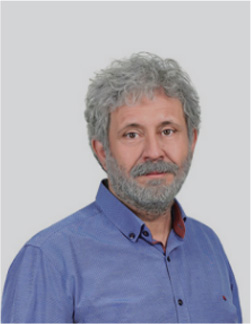
Dr. Derrick Beech
Dr. Derrick Beech
WISELINK INDEPENDENT CONSULTANT. Former Head of the Therapeutic Goods Administration (TGA) in Australia. Honorary Senior Lecturer in the Department of Oral Sciences at the University of Melbourne. Visiting Professor at the University of Sydney in Australia. Lecturer at the University of Manchester in the UK.
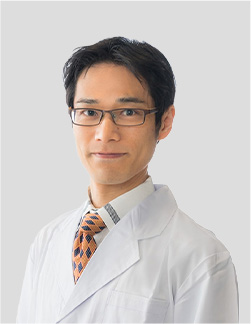
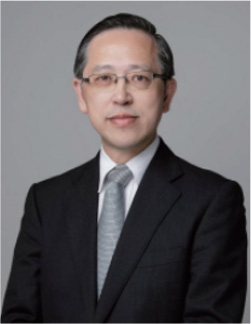
Masayuki KAWAHARA
Masayuki KAWAHARA
Consultant of Wiselink Japan Co., Ltd., Core Member of HBD in the PMDA-FDA Joint Project
Dr. Nelson Xie
Dr. Nelson Xie
PROJECT DIRECTOR. Bachelor of Medicine from the Faculty of Medicine at the University of Sydney. ISO 13485 System Auditor Expert.
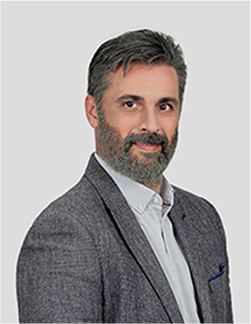
Konstantinos T. Makarounis
DR. MEDICINE, UNIVERSITY OF ATHENS. Male Fertility Microsurgery at Cornell University in New York, USA. Member of the European Association of Sexual Medicine.
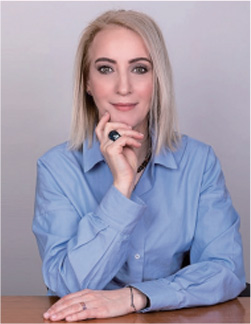
Despina Kaliontz
Despina Kaliontz
CLINICAL HEMATOLOGIST. Expert in Malignant Hematological Diseases. Specialist in Peripheral Blood Stem Cell Harvesting for Transplantation. Researcher in Gene Expression of Acute Myeloid Leukemia Patients.
Dr. Joan Jiang
Dr. Joan Jiang
CLINICAL HEMATOLOGIST. Expert in Malignant Hematological Diseases. Specialist in Peripheral Blood Stem Cell Harvesting for Transplantation. Researcher in Gene Expression of Acute Myeloid Leukemia Patients.
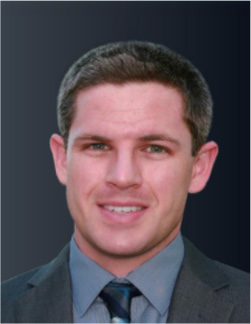
Ben Cowburn
Ben Cowburn
Registered Regulatory Expert, ISO Quality Management System Auditor
Vasilis Tsilivakos
Vasilis Tsilivakos
Expert in cell biology and immunology, mainly researching HIV infection and treatment
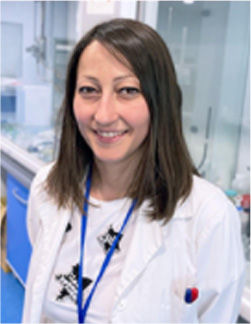
Giovanna Casamassa
Giovanna Casamassa
Microbiology Laboratory Manager, ISO 13485 System Audit Expert, 17025:2018 - Laboratory Quality Audit Expert
Frank Galluzzo
Frank Galluzzo
澳洲皇家化学协会成员,具有医疗设备、药品、代工生产和补充药品领域的指导经验,精通ISO13485/14791标准
Global Regulatory Tracking
More
With timeliness, accuracy and practicality at its core, WISELINK offers regulatory updates, interpretations and trend analysis to help businesses navigate global compliance and drive global growth.
Countdown: Only Three Months Left! UDI Mandate Takes Effect for Class C Medical Devices in Singapore
Singapore’s UDI system is fully aligned with international standards and allows direct reuse of compliance credentials obtained from the US and Europe, making it a highly cost-effective market that enables "one-time coding for global multi-market rollout". The Health Sciences Authority (HSA) of Singapore serves as the regulatory authority overseeing the UDI framework, which follows the global harmonisation principles laid down by the International Medical Device Regulators Forum (IMDRF) to reduce manufacturers’ compliance costs. Codes complying with UDI requirements of the US FDA or EU may be applied directly for sales in Singapore without the need for localised dedicated UDI coding. Singapore implements UDI regulations based on risk stratification: mandatory UDI requirements apply only to medium- and high-risk medical devices, while compliance remains voluntary for low-risk products. All UDI data is integrated into the Singapore Medical Device Register (SMDR), enabling streamlined one-stop processing for device registration and UDI submission. HSA adopts a phased rollout strategy, enforcing UDI obligations for one risk classification tier every two years.
2026-07-31
What Is the Difference Between MDEL and MDL? A Complete Guide to Canadian Registration Requirements
This article provides a detailed analysis of the two core licences for medical device registration in Canada: MDEL and MDL. The MDEL, short for Medical Device Establishment Licence, is an establishment access licence. It is mandatory for importers and distributors of all classes of medical devices, as well as manufacturers of Class I medical devices. The MDL, namely Medical Device Licence, serves as a product marketing licence, which is required for manufacturers of high-risk Class II and above medical devices. This paper further elaborates on the required application documents and fee policies for MDEL, and clarifies the licensing obligations and quality management procedures applicable to different market stakeholders.
2026-07-30
What Documents Are Required for Medical Device Registration in Peru? Detailed Breakdown of Specific Requirements
Boasting a stable regulatory framework and continuously expanding medical demand, Peru’s medical device market has become a key overseas expansion destination for domestic Chinese medical device manufacturers. The core prerequisite to access the Peruvian market is completing official sanitary registration. Peru enforces risk-tiered supervision for medical devices, grouping products into four risk classes ranging from Class I (lowest risk) to Class IV (highest critical risk). Documentation submission requirements vary by risk category. Core mandatory files include the Certificate of Free Sale (CFS), product instructions and labeling, technical & test documentation, and quality management system (QMS) certificates. Post-registration modifications fall into two categories: minor changes and major changes, each subject to distinct handling timelines and compliance requirements.
2026-07-29
Full Analysis of the Exclusive Distributor System: The First Threshold for Medical Device Access in Indonesia
As a key growth engine of the Southeast Asian medical device market, Indonesia has attracted a large number of Chinese enterprises. Nevertheless, the primary hurdle to entering the Indonesian market lies in its exclusive distributor system. Pursuant to regulations issued by the Indonesian Ministry of Health, overseas medical device manufacturers are obligated to conduct product registration through an exclusive distributor, which serves as a statutory prerequisite for initiating AKL registration. The core rules governing the exclusive distributor system cover three aspects: a sole eligible registration entity, exclusive authorization by product category, and synchronized validity periods for registration certificates and distribution authorizations. This regulatory framework is designed to eliminate cutthroat price competition, standardize unified market strategies and service benchmarks, streamline regulatory communications, and mitigate compliance risks.

2026-07-28
Contact Us
Fill Form
Whether you need more information or wish to cooperate with us, we will guide you through every step of the regulatory process. Subscribe to our newsletter for the latest global regulatory updates.